

ADHD in Adult Women Symptoms
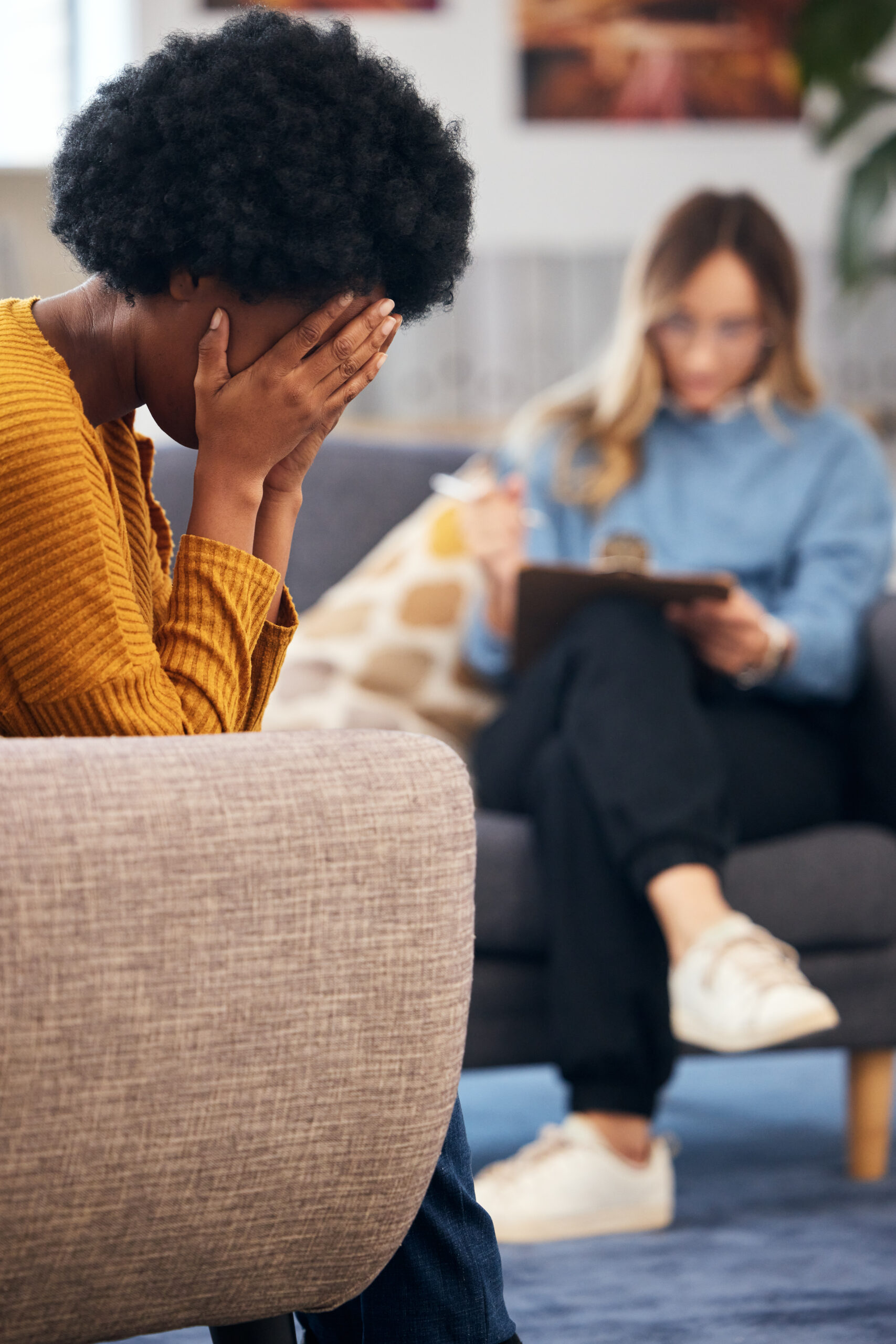
ADHD symptoms can make it difficult for women to manage work, family and children. The diagnosis and treatment can help improve the quality of life.
Symptoms can include missing appointments and appointments, forgetting important dates and running late. They can also lead to financial difficulties and problems with relationships. Mood changes and impulsive spending can be especially hard for women to manage.
Inattentiveness
Women who suffer from the inattention form of ADHD can find it difficult to stay focused and make errors that aren't considered, and can lead to grave consequences. The absence of an appointment or the inability to remember a name at a gathering might seem insignificant to kids but it can be a major source of frustration and embarrassment to adults.
While the hyperactive and impulsive symptoms of ADHD are most prevalent in boys and men, the inattentive type is more common for women and girls. For this reason, a woman's symptoms may be overlooked and go undiagnosed. For instance, she could struggle to concentrate in classes or staying focused at meetings at work. She might have a messy house or find it difficult to manage household chores and finances. It is also possible that she has difficulty recalling appointments or being annoyed with friends and family members.
Attention-deficit ADHD symptoms can lead to confusion and frustration between romantic partners, colleagues, and even friends. This can result in strained relationships and conflict especially if the issues are interpreted by others as lack of or disinterest. It is also important to remember that women who suffer from ADHD frequently suffer from co-occurring conditions like depression and anxiety. In these cases, a therapist could assist them in understanding their challenges and practice effective communications skills.
Finding a therapist or a clinician who has experience with ADHD for women and girls is the first step. The knowledge gained from this experience can increase the likelihood of a diagnosis and provide much-needed support. Cognitive behavioral therapy (CBT), which teaches people how to accept their thoughts and feelings and replace negative thought patterns with healthier ones, is one of the options available. add symptoms in women and mindfulness can improve concentration and attention, and reduce impulsivity.
Impulsivity
Women suffering from ADHD often struggle to control their thoughts. This can lead to emotional turmoil both at work and home, especially when they are having difficulty managing their finances or juggling household tasks. This can lead them to skip doctor's appointments, forget to take their medication, or neglect health concerns. In some cases these impulsive actions can result in self-injury such as burning, cutting or scratching. In addition, they may have trouble maintaining relationships because of their tendency to react too strongly to perceived rejection or other negative events.
click the up coming post may feel shame or failure when it is time to engage with others. Women who suffer from ADHD are also more likely to report sexual activities in their early years, as well as casual sex and unprotected sex. Women who have an history of ADHD are also more likely to suffer from a mental health issue that is co-occurring such as anxiety, depression, or bipolar disorder, which makes it more difficult to control their impulsivity.
Hormone changes can influence symptoms throughout the lifetime of a woman. Women's ADHD symptoms can sometimes improve during pregnancy due to the surge in estrogen. They may also get more severe during perimenopausal transition, the run-up to menopause as estrogen levels decline.
Getting a diagnosis and receiving treatment is beneficial for women of all ages. More women than ever are recognizing that they have ADHD in adulthood. This could be due to a desire for women to address long-standing problems or new diagnostic criteria which are more inclusive of the experiences and symptoms of women. A therapist can show you how to manage your symptoms and assist you in developing more effective strategies for coping. They can also offer support in the event of problems with your family or relationship.
Disorganization
Women with ADHD struggle to manage their daily lives. They may have difficulty balancing home and work, or keep track of their bills and appointments. Also, they may be more likely than others to forget important details or not meet deadlines. Their lapses of concentration can result in confusion and frustration for family members, colleagues, and friends.
These problems are often triggered by an inability to manage your emotions and inadequate sleep. These issues can become more severe when it comes to a romantic relationship, where misunderstandings and arguments usually stem from communication issues. Women can also find it difficult to deal with the demands of parenting, especially if they have children who have ADHD.
ADHD symptoms could be confused with other conditions, like anxiety and depression. Insomnia, restlessness and irritability can be associated with both conditions. It's important to differentiate between the two conditions, since they have distinct differences. For instance, the forgetfulness, disorganization and impulsivity that are hallmarks of ADHD aren't typically seen in anxiety disorders, nor are the feelings of fear, anxiety and rapid breathing.
Gender bias can influence the way that women's symptoms are evaluated and treated. Teachers refer women and girls to ADHD evaluations less frequently than they do boys. The scales used to rate people used to diagnose ADHD tend towards male behavior and internalized symptoms.
For women who are older and suffer from ADHD Regular exercise routine, healthy eating habits and getting enough sleep can improve concentration and mood. In addition, it's beneficial to enlist the support of family members and friends, and use tools for organizing such as planners and checklists, post-it notepads and routines to manage the daily tasks.
Indecision
Women who suffer from ADHD often complain of an absence of clarity or direction that makes it difficult to make the right choices. This is true for both big and small choices, such as the best place to work from or what to take for dinner. Indecisiveness can also be an indicator of mental disorders like anxiety and depression. The majority of ADHD adults have at least one co-occurring condition. Therefore, it's crucial to get a comprehensive evaluation that includes screening for these conditions in order to determine the best treatment options.
Although it is possible to have both high-functioning and low-functioning ADHD, many people with the disorder experience symptoms that hinder their daily lives. These include difficulties keeping track of appointments or deadlines, an inability to keep track of plans, trouble maintaining relationships, and at least one messy personal or home space. Those who suffer from ADHD might have difficulty managing their finances or manage work or school responsibilities, and they often feel that they aren't very proficient at anything.
Inadequate diagnosis of ADHD for girls and women is a common occurrence. They typically present differently than males and females. This can make it difficult for doctors to recognize the condition. This is partly due to the fact that many treatment options focus on adolescents and children, which is when the majority of cases of ADHD are diagnosed. It's also because women and girls are more likely to conceal their ADHD symptoms with anxiety or mood-related behaviors.
A GP can diagnose ADHD by examining your physical and mental health, examining your medical records, and requesting information about your work and personal life. HCF members with Platinum or Gold health coverage can avail GP2U for a telehealth consult that is available on the spot.
Anxiety
In some cases, women with ADHD experience anxiety, stress, and depression. These symptoms can affect their relationships, work or their general quality of life.
The emotions are often exacerbated by anger which is caused due to having to handle many responsibilities and tasks all at all times. In addition, they could feel as if they are not getting the most important things and are not meeting expectations. This can cause feelings of shame and low self-esteem which makes it more difficult for a woman to get an accurate diagnosis and treatment.
Gender bias and societal gender role expectations can also contribute to ADHD in women going undiagnosed. Girls and women are better at concealing their symptoms. This makes it difficult for doctors to recognize them using conventional rating scales or in interviews. They might be less responsive when informed that they suffer from ADHD, which can delay referrals and diagnoses.
Women who suffer from ADHD can also have difficulty managing their emotions. This can lead to mood swings that could cause frustration and miscommunication in relationships. This emotional dysregulation can also increase the symptoms of ADHD including the difficulty of switching between tasks, and impulsive decision-making.
There are a variety of ways to ease the symptoms of ADHD in women who are older. Engaging in physical activity can increase the release of neurotransmitters which enhances focus and attention. Aim for four to five sessions a week of physical exercise such as swimming, running, yoga, or playing team sports. Another option is to utilize a planner, checklists post-it notes, or reminder alarms to prioritize and organize tasks. Additionally, taking breaks regularly to move around and calm the mind can be helpful.